Auckland · Pre and post-surgical physiotherapy

Recovery starts before surgery.

Surgical Rehab Specialists is an Auckland physiotherapy clinic for the weeks either side of an operation, at 123 Dominion Road, Eden Terrace.

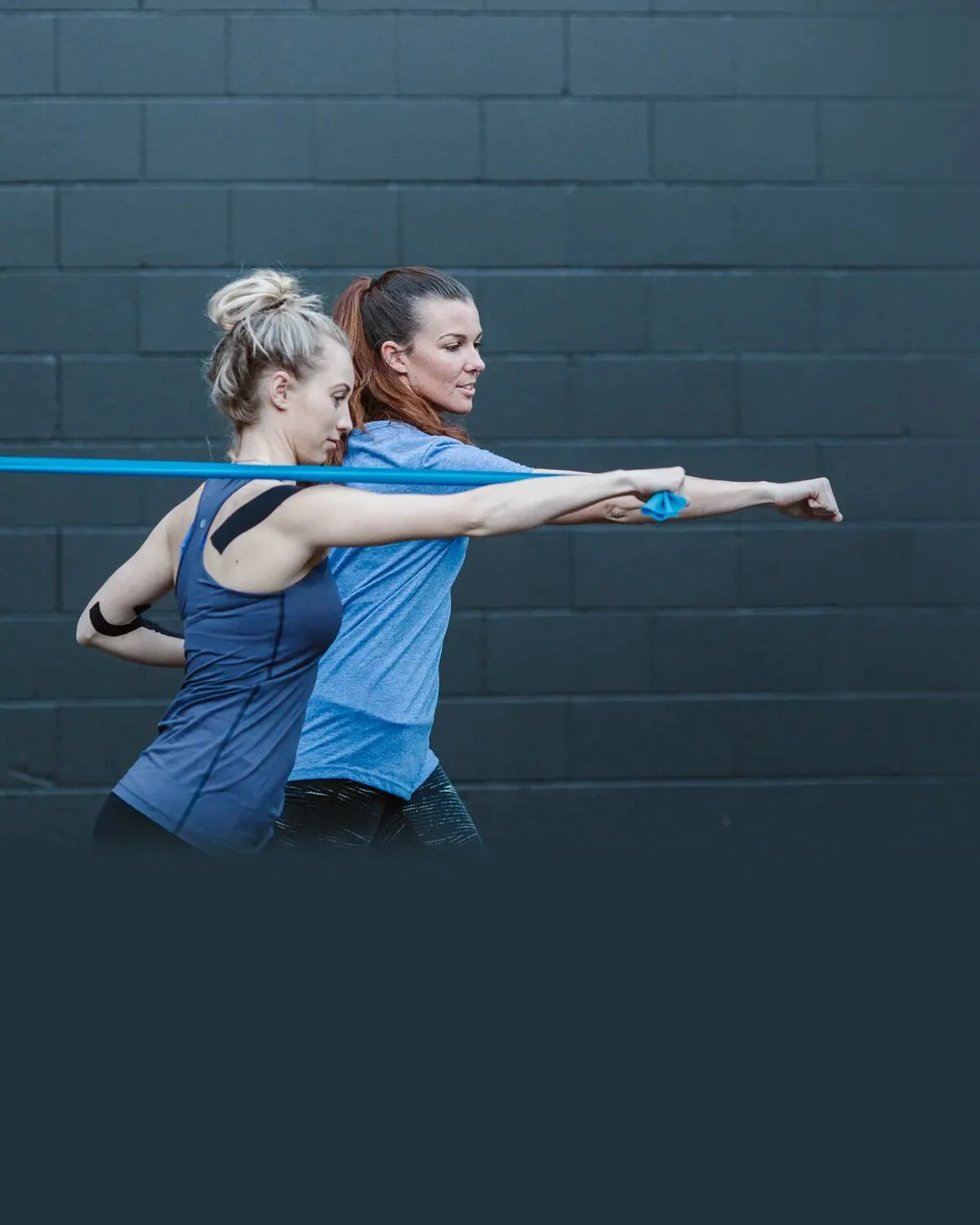
A physiotherapist guiding a patient through a resistance-band shoulder exercise outside the Eden Terrace clinic

Specific, targeted and evidence-based physiotherapy for surgical rehabilitation.

We work closely with Auckland's leading surgeons: hands-on treatment and exercise rehabilitation designed in consultation with the surgeon operating on you — prehab in the weeks before, then a staged programme afterwards.

The recovery axis

What happens before and after your surgery?

Two things. Prehab in the weeks before you go in, then a staged post-operative programme that follows your surgeon's recommendations. This is the line your recovery runs along.

  1. Before surgery

    Prehab

    The stronger, fitter and more flexible you are going in, the better your outcome coming out. We keep you as active as the injury allows.

  2. Surgery day

    Your operation

    Your surgeon's recommendations become the plan. Rehabilitation is designed in close consultation with them.

  3. Phase 01

    Range of movement

    Improving the range of movement in the joint after the operation.

  4. Phase 02

    Strength

    Improving strength around the repair.

  5. Phase 03

    Daily life and sport

    Returning to daily activities and to the sport you were doing before.

Not sure where you sit on this line? Phone 09 948 9066

Why a clinic just for surgery?

Because surgery is often the unavoidable course of management for a musculoskeletal problem, and the weeks either side of the operation decide how well it works.

Line drawing of a muscle, from the clinic's own artwork
Surgical Rehab Specialists · clinic artwork

Surgical Rehab Specialists was built for those weeks. We work closely with Auckland's leading surgeons, so you can trust you will get quality hands-on physiotherapy care as well as specific exercise rehabilitation.

Leading up to an operation you may be referred here for prehab. It is widely known that strengthening and education before surgery significantly improves patient outcomes. Afterwards you get comprehensive hands-on treatment and an exercise programme designed by your physiotherapist in close consultation with your surgeon, so nothing you do in rehab contradicts what happened in theatre.

Surgery can be an inevitable course of management. Our job is to make the process as painless as possible.
Clear communication between the surgeon, the patient and the physiotherapist is what makes sure you are well looked after.

The working principle at Surgical Rehab Specialists

What we treat, and how

Six things happen at this clinic. Post-operative rehabilitation is the specialty; the rest support it.

  • Physiotherapy

    Hands-on treatment is the core of it.

    There are many forms of manual therapy a physiotherapist can use. At this clinic it means a hands-on approach, chosen for what your operation and your injury will allow.

    Manual therapy

    • Deep tissue massage
    • Joint mobilisation
    • Manipulation
    • Passive stretching
    • Taping
  • Prehab (pre-operative rehabilitation)

    The stronger, fitter and more flexible you are before your surgery, the better your outcome after it.

    We work with you and your surgeon to keep you as active as possible before the operation, keeping the limits of your injury in mind. It means you start post-operative rehabilitation on the front foot.

  • Post-Operative Rehabilitation

    Our specialty

    A rehabilitation programme specific to you and your goals, following your surgeon's recommendations.

    It runs in phases, and it is designed by your physiotherapist in close consultation with the surgeon who operated on you.

    The phases

    • 01  Improving range of movementGetting the joint moving again after the operation.
    • 02  Improving strengthBuilding strength back up around the repair.
    • 03  Return to daily activities and sportsBack to the things the injury took off you.
  • Acupuncture

    A powerful way to modulate pain and accelerate the body's natural healing.

    Amy is trained in Western Acupuncture, which means there is a neurophysiological rationale behind the treatment rather than tradition alone. It works in three main ways: releasing tissue mechanically, raising blood flow and circulation chemically, and lifting your tolerance of pain through subconscious reflexes.

    Three main ways

    • Mechanical tissue response
    • Chemical tissue response
    • Reflex response
  • Braces and Equipment

    We supply post-surgical braces and rehabilitation equipment, so you leave with what you need.

    What we supply

    • Range of movement braces
    • Support braces
    • Return to sport braces
    • Crutches
    • Moonboots
    • Swiss balls
    • Foam rollers
    • Taping
  • Scar Management

    Scar appearance worries a lot of people after surgery, and it can be worked on.

    We can work with your surgeon to make sure a scar is addressed, and we have contacts with a number of cosmetic surgeons in the area who are happy to review one.

    Techniques

    • Massage
    • Frictions
    • Acupuncture
    • Gel compression
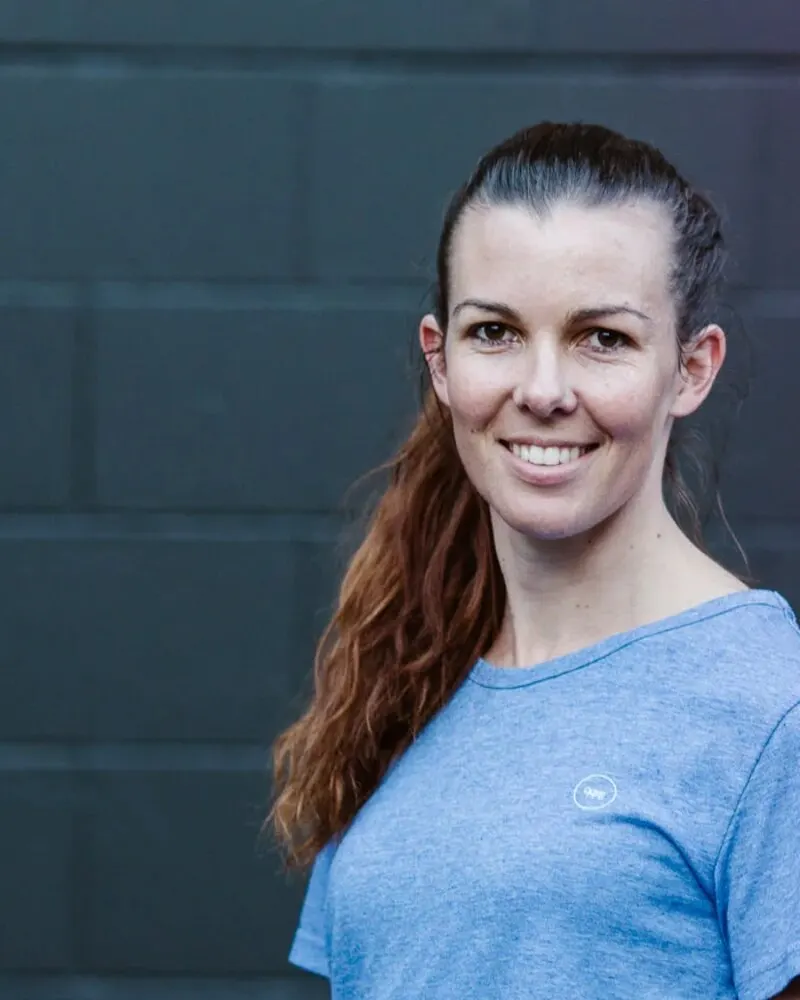
Amy Schischka, Director and Principal Physiotherapist at Surgical Rehab Specialists
Amy Schischka, Eden Terrace

Amy Schischka

Director and Principal Physiotherapist

Amy is the founder and principal physiotherapist at Surgical Rehab Specialists. She graduated with a BHSc (Physiotherapy) in 2011 and has worked in the musculoskeletal field since, developing a strong interest in diagnostics, biomechanics, sports-specific physiotherapy and surgical rehabilitation. She started the clinic after seeing how much patients needed quality care on both sides of an operation.

Much of her time and learning has gone into surgical management: hours spent observing Auckland's top surgeons at work and reviewing their rehabilitation protocols. She has carried out extensive post-graduate training in dry needling, and holds the Certified Mulligan Practitioner qualification.

Outside the clinic Amy is a competitive showjumping and eventing rider, Head Coach at her local pony club, a regular at the gym and a committed foodie.

Qualification
BHSc (Physiotherapy), AUT, 2011
Certification
Certified Mulligan Practitioner (CMP)
Post-graduate
Dry needling; Western Acupuncture
Special interest
Diagnostics, biomechanics, sports-specific physiotherapy, surgical rehabilitation

Questions people ask before they come in

The things people ring up about before a first appointment, answered from the clinic's own material.

Do I need to see a physiotherapist before my operation?

It helps, and it is worth asking your surgeon about. Strengthening and education before surgery is widely known to significantly improve patient outcomes, which is why prehab exists as a service here. We work with you and your surgeon to keep you as active as your injury allows, so you begin post-operative rehabilitation on the front foot rather than from a standing start.

What happens in post-operative rehabilitation?

You get a programme specific to you and your goals that follows your surgeon's recommendations. It runs in phases:

  • Improving range of movement
  • Improving strength
  • Return to daily activities and sports

Do you talk to my surgeon?

Yes. We work closely with Auckland's leading surgeons, and your exercise rehabilitation is designed in close consultation with the surgeon who operated on you. Clear communication between surgeon, patient and physiotherapist is the whole point of the clinic.

Can you supply a brace, crutches or a moonboot?

Yes. We keep a range of post-surgical braces and rehabilitation equipment at the clinic: range of movement braces, support braces, return to sport braces, crutches, moonboots, Swiss balls, foam rollers and taping.

How does acupuncture help after surgery?

Acupuncture modulates pain and accelerates the body's natural healing. Amy is trained in Western Acupuncture, so treatment carries a neurophysiological rationale. It works in three main ways: a mechanical tissue response that releases knots, bruises and scar tissue; a chemical tissue response that increases blood flow, oxygen and circulation to the damaged area; and a reflex response that stimulates subconscious reflexes and increases the body's ability to cope with pain.

Can anything be done about my scar?

Often, yes. We use massage, frictions, acupuncture and gel compression to improve the appearance of a scar, and can work with your surgeon to make sure it is addressed. We also have contacts with a number of cosmetic surgeons in the area who are happy to review a scar.

How do I make an appointment?

By phone. There is no online booking system: call the clinic on 09 948 9066 during opening hours, or send an enquiry from this page and we will call you back.

Where is the clinic and when is it open?

123 Dominion Road, Eden Terrace, Auckland. The clinic is open Monday to Friday, 8:00am to 7:00pm, and closed on Saturday and Sunday. There is a map and a directions link in the visit section below.

Visit the clinic

One clinic, at 123 Dominion Road in Eden Terrace. Phone 09 948 9066 to book; there is no online booking system.

Address
123 Dominion Road, Eden Terrace, Auckland
Email
Opening hours
Monday8:00am – 7:00pm
Tuesday8:00am – 7:00pm
Wednesday8:00am – 7:00pm
Thursday8:00am – 7:00pm
Friday8:00am – 7:00pm
SaturdayClosed
SundayClosed

Send an enquiry

Tell us what you are having done, or what you have just had done, and we will call you back.

Prefer to talk? Phone 09 948 9066, Monday to Friday, 8:00am to 7:00pm.